
Search results for
(Showing 240-255 out of 337 results)
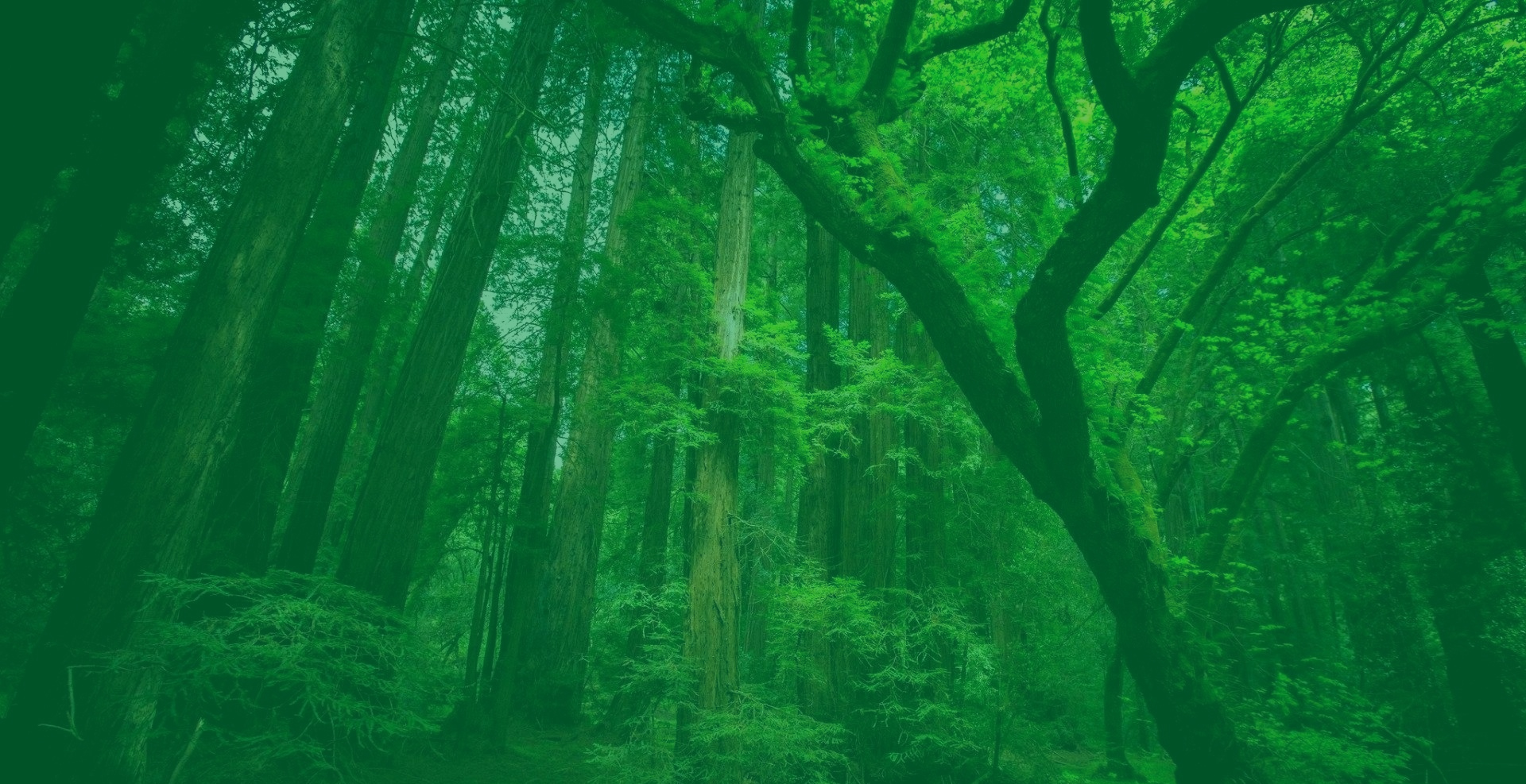
In an average year in a tropical rain forest, the climate is very humid because of all the rainfall, which amounts to about 250 cm per year. The rain forest has lots of rain because it is very hot and wet. This climate is found near the equator. That means that there is more direct sunlight hitting the land and sea there than anywhere else.
Read More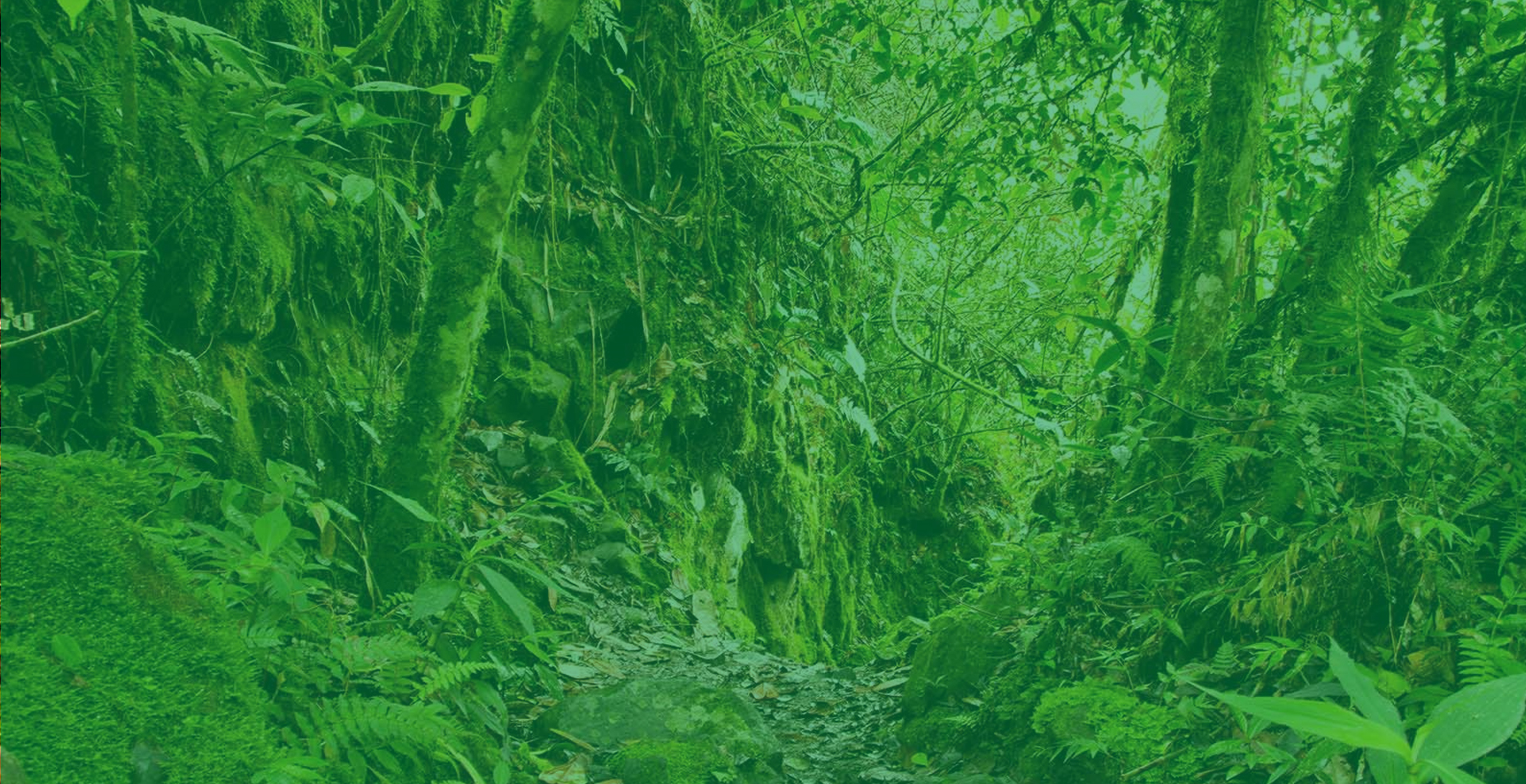
The Southeast Asian rainforests are the oldest, consistent rainforests on Earth, dating back to the Pleistocene Epoch 70 million years ago. It has a biological richness and diversity unequaled by that of the Amazon or African rainforests.
Read More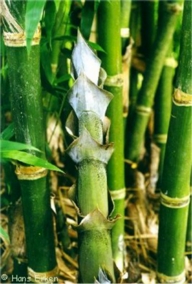
The Bambusa tulda can be found in the biome of the Southeast Asian rainforest. It often grows as an undergrowth scattered or in patches in the forest. It does very well in a moist environment with a lot of rainfall.
Read More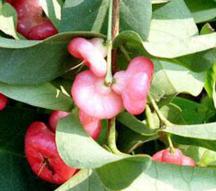
Growing up as a child in Indonesia one of my favorite fruits to eat was jambu. Biting into the small, crisp and mildly sweet, watery fruit was thirst quenching and delicious. Jambu grows naturally from southern India to eastern Malaya.
Read More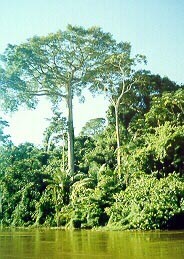
The Kapok tree is an emergent tree of the tropical rainforests, and is often described as majestic. It can grow to a height of 150 feet or more, towering over other trees in the rainforest.
Read More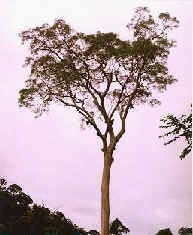
The tualang tree is a majestic emergent tree of the Southeast Asia rainfforests best know for the disk shaped honeycombs which hang from its horizontal branches. Towering above the canopy the tualang can reach 250 feet, or the 30 stories in height.
Read More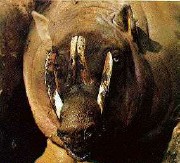
The babirusa is a wild pig with curly tusks found only on the islands of Sulawesi, Toga and Molucca of the Indonesian archipelago. Their habitat is the rainforests and canebrakes, near rivers and lowland forests.
Read More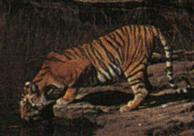
The Bengal Tiger is a beautiful animal. The base color is orange/brown, and white on the cheeks, mouth, eyebrows, and stomach. The tiger also has long black stripes on it. The weight of the tiger can be up to 575 pounds.
Read More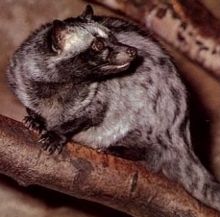
While growing up in Indonesia, I would sometimes wake up to a terrible racket in the ceiling, occasionally followed by a sickly-sweet odor reminiscent of a striped skunk. It was the musangs, or common palm civets, having some sort of spat.
Read More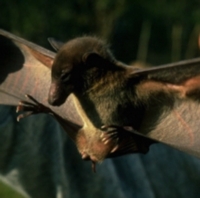
The Dawn Bat is a small Southeast Asian rainforest bat which lives in the mangrove and lowland forests of Malaysia, Indonesia and Borneo. Its unique and special place in the rainforest ecosystem has only been recently discovered.
Read More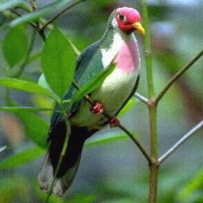
The Jambu fruit dove is a forest dove that inhabits the second growth forests of mangrove swamps and rainforests on the Indonesian islands of Sumatra and western Java, and the countries of Thailand and Malaya.
Read More
Southeast Asia is a part of Asia. It consists a 3,100 mile long chain of about 20,000 islands strung between Asia and Australia. Winds called monsoons control much of the climate of Southeast Asia. The word monsoon comes from the Arabic word "mausim", meaning season.
Read More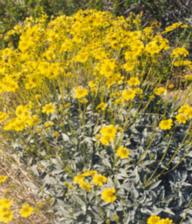
The brittlebushis a common plant of the Mojave and Sonoron deserts. It is a small deciduous shrub which grows as a low, roundish mound 2 to 5 feet high. Brittle branches sprout from a woody trunk. The leaves have serrated edges, and are broader at the base than at the tip.
Read More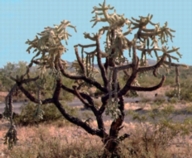
The chain fruit cholla looks as much like a tree in the desert as a cactus possibly can. It has a central trunk from which sprout many spiny "branches". It is commonly found in dry, sandy soils of bajadas, valleys floors
Read More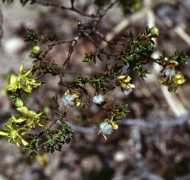
The Creosote Bush is named that way because it smells a lot like the creosote tar that is used on telephone poles to preserve the wood. This shrub is mostly found in the southwest part of America and the northwest part of Mexico.
Read More