
Search results for
(Showing 285-300 out of 337 results)
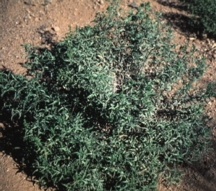
Triangle-leaf bursage is a native plant of the Sonoran Desert and can be found throughout southwestern Arizona, USA, south into Sonora and Baja California, Mexico. Triangle-leaf bursage can be found growing in upper and lower bajadas, lowland creosote growths and desert grasslands.
Read More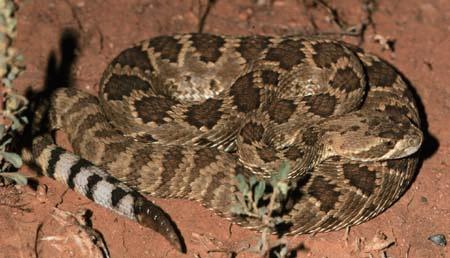
As the name says, this snake lives in the Mojave Desert of California. It can also be found in the extreme western part of Texas, and Southern Nevada to Puebla, near the southern edge of the Mexican plateau.
Read More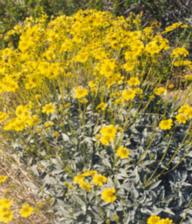
The brittlebushis a common plant of the Mojave and Sonoron deserts. It is a small deciduous shrub which grows as a low, roundish mound 2 to 5 feet high. Brittle branches sprout from a woody trunk. The leaves have serrated edges, and are broader at the base than at the tip.
Read More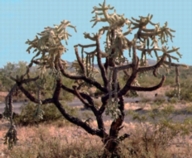
The chain fruit cholla looks as much like a tree in the desert as a cactus possibly can. It has a central trunk from which sprout many spiny "branches". It is commonly found in dry, sandy soils of bajadas, valleys floors
Read More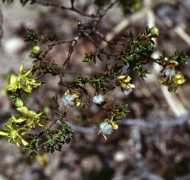
The Creosote Bush is named that way because it smells a lot like the creosote tar that is used on telephone poles to preserve the wood. This shrub is mostly found in the southwest part of America and the northwest part of Mexico.
Read More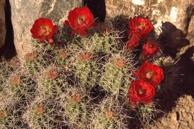
There are many different kinds of hedgehog cacti. The Crimson hedgehog cactus is a small barrel shaped cactus that grows in clumps of a few to a hundred stems. The stems are cylindrical in shape and are up to 1 foot long and 1 to 2 1/2 inches thick.
Read More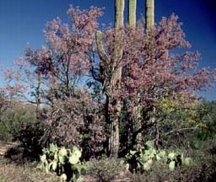
The desert ironwood only grows in the washes and valleys of the Sonoran Desert below 2,500 foot elevation. The Sonoran Desert is located in southwestern Arizona, southern California, and the northwestern part of Mexico.
Read More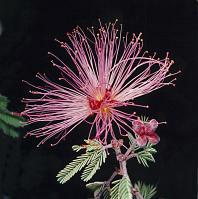
The Fairy Duster has pink-orange puff balls that can be up to 2 inches in diameter. These can bloom all year round but mostly in February through May.
Read More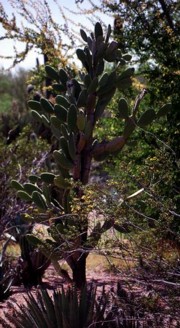
The prickly pear cactus is a widely used and versatile cactus. It can be used in many different ways such as foods, crops, etc.. In many places the prickly pear is grown as a crop, but in others they are just grown in the wild.
Read More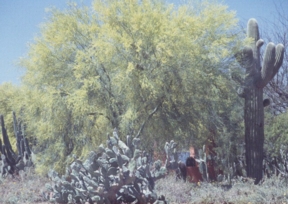
The yellow palo verde is a very strange looking shrub or small tree which grows in the Sonoran Desert of the southwestern United States and northern Mexico. It has adapted in unique ways to survive the killing heat of the desert sun.
Read More
Imagine bumping down a dusty desert road, looking at the wide open land stretching out in all directions. Along the sands are plants, some squatting in the burning sun, others standing tall, watching the sky for a chance of rain.
Read More
Triangle-leaf bursage is a native plant of the Sonoran Desert and can be found throughout southwestern Arizona, USA, south into Sonora and Baja California, Mexico. Triangle-leaf bursage can be found growing in upper and lower bajadas, lowland creosote growths and desert grasslands.
Read More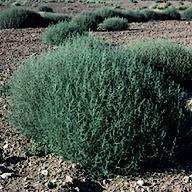
When westerns were big in the movies, you could always hear some lonesome cowboy sing about the tumbling tumbleweed. The tumbleweed stood for everything a cowboy was; a little ugly, lanky, and a foot loose rambler.
Read More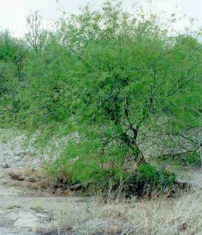
Velvet mesquite is one of the most common, and important plants of the southwestern deserts of the North American continent. It is useful to humans and essential to the survival of wildlife in the desert.
Read More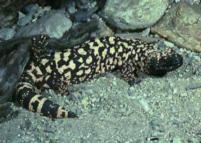
The Banded Gila Monster is very shy but can strike back very quickly, with painful results. It is a subspecies of the Gila Monster (Heloderma suspectum), and is one of two venomous types of lizard in the world.
Read More