
Search results for
(Showing 30-45 out of 337 results)
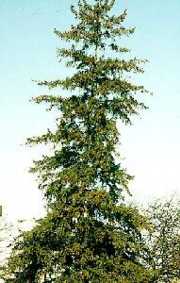
Most spruce needles are four-sided, stiff, and less than one inch long, 2.5 centimeters to be exact. Woody, peglike projections help join the needles to the twigs. Spruce trees grow tall and most are shaped like pyramids.
Read More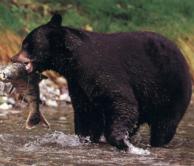
The American Black Bear, like most bears, lack the distinctive shoulder hump that the Grizzly Bear has. This bear can run up to 25 miles per hour, which is very quick for its 220-594 pound body.
Read More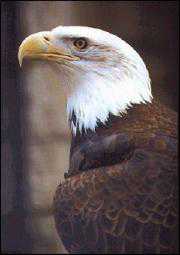
The Bald Eagle is the national bird of the United States of America. It is considered a sea eagle that has a white head. It is large and strong and weighs eight to twelve pounds
Read More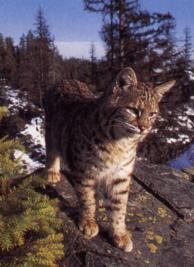
The large coniferous forest found in Canada is called the Taiga. There are many swamps, mountains and forests in the Taiga that are home to the Bobcat. Throughout much of the United States the bobcat lives in forests, but can also be found in desserts and chaparral.
Read More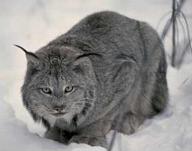
A not so common animal is the Canadian lynx. The lynx is almost identical to a regular house cat, but larger. It has a powerful body on short, furry legs attached to hefty feet, and a bobbed, black-tipped tail.
Read More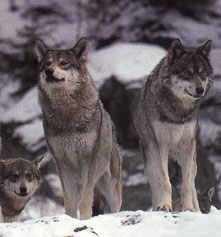
Gray wolves can survive in many biomes as long as food is plentiful and the climate is relatively cold. The Siberian Taiga, one of the habitats they are best suited to, is a boreal forest with long, cold winters and short summers.
Read More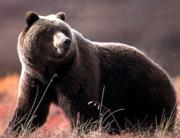
Most bears are found in North America and Eurasia. Grizzlies are found on the Alaskan and northwestern Canadian tundra. They are considered a subspecies of the brown bear. Most grizzly bears are found in the northwestern part of North America.
Read More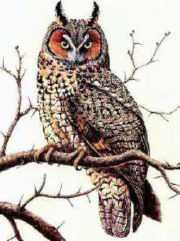
The Long-Eared Owl is a medium sized owl which is approximately 35 centimeters long (around 13 inches) and weighs 8-10 ounces. It is called long eared because of the tuft of feather on its head that look like ears.
Read More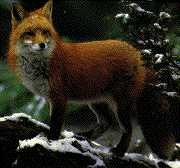
Another common animal in the Taiga Biome is the red fox. It can grow up to 2 1/2 feet long, 15 to 16 inches tall at the shoulders, and weigh 10 to 12 pounds. It has a rusty-red fur, a white-tipped bushy tail and black legs, ears and nose.
Read More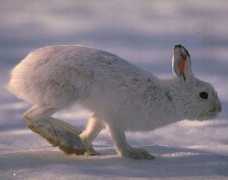
The snow shoe rabbit lives in forest areas where the ground is covered with undergrowth in the higher parts of North America. It migrates throughout the mid west United States as well.
Read More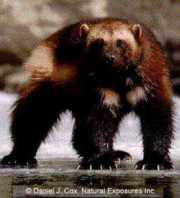
The Taiga Biome is populated with special animals that all have techniques of keeping warm and dry or away from the harsh coldness of the Taiga. One animal of the Taiga is the wolverine.
Read More
Grassland biomes are large, rolling terrains of grasses, flowers and herbs. Latitude, soil and local climates for the most part determine what kinds of plants grow in a particular grassland.
Read More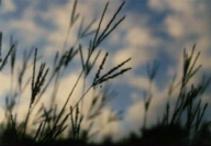
This grass is also called Turkey feet because the shape of the seed heads look like turkey feet. It is also called beard grass. The name big bluestem grass comes from the fact that this grass can grow to very big, 3 to 10 feet as a matter of fact.
Read More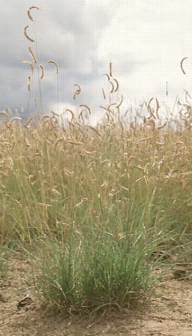
Blue grama grass is a warm season tufted perennial grass. It is native to the short and tall grass prairies, and makes up 75% to 90% of the grasses found there. The prairies lie in central North America.
Read More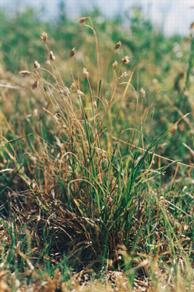
Buffalo grass is a very hardy grass and grows mostly in the North American prairies. The North American prairies lie in the middle of the continent and have a dry climate during the summer, and a very cold and windy climate in the winter.
Read More