
Search results for
(Showing 105-120 out of 337 results)
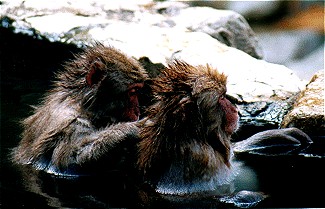
Many of us are familiar with images of monkeys soaking up the watery warmth of a hot spring in the midst of a bone chilling, wintery landscape. These are the Snow Monkeys, or Japanese macaques of Japan, living at latitudes of 41° to 31° north of the equator, the only monkeys to live that far north in the world.
Read More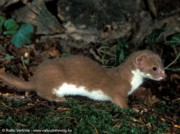
Deep in the woods of the Northeast Asian deciduous forest roams the least weasel. Its long slender body and sharp nails help this mammal hunt day and night. The least weasel is the smallest carnivore in the world.
Read More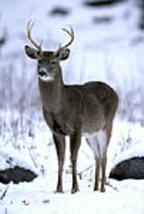
The fur of the white-tailed deer is a grayish color in the winter then more red comes out during the summer. It has a band of white fur behind its nose, in circles around the eyes, and inside the ears.
Read More
The northeast Asian deciduous forest biome is located on the continent of Asia at about 30° to 45° North latitude, and about 130° to 145° East longitude. The biome covers parts of Korea, China, Russia, and Japan.
Read More
Many of us are familiar with images of monkeys soaking up the watery warmth of a hot spring in the midst of a bone chilling, wintery landscape. These are the Snow Monkeys, or Japanese macaques of Japan, living at latitudes of 41° to 31° north of the equator, the only monkeys to live that far north in the world.
Read More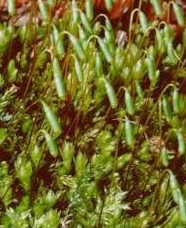
Mosses are simple, rootless evergreen plants. They can live in a wide variety of habitats, but are most often found covering the ground, growing on stream beds, and on the base of trees in deciduous woodlands.
Read More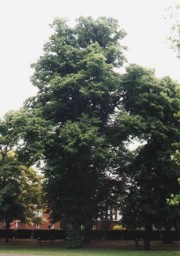
The common lime is a tall, stately tree, which grows in the deciduous forests of Europe, the British Isles, and the USA. In the USA it is known as a linden tree. It is the tallest broad-leaved tree in Britain.
Read More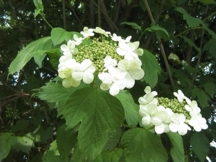
The Guelder Rose prefers to grow at low altitudes and in semi-shade in Scotland and England. It is native to the woodlands of the European deciduous forest. It is found at the edges of woods, hedgerows and marshes.
Read More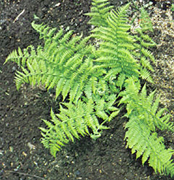
You may have Lady fern in your own house. Many people use it to decorate their homes. You may see it hanging or potted. People in Victorian times were crazy about Lady fern. However, Lady fern is not only found in the house.
Read More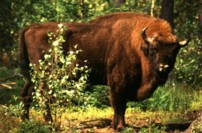
The story of the European bison, or wisent, is a story of an amazing return from the brink of extinction by a species. At one time, the bison roamed the temperate European deciduous forest biome from British Isles, through most of Europe into Siberia.
Read More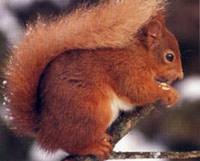
The European red squirrel lives in the European Deciduous Forest. The red squirrel prefers to live in the forest but in some places they live in gardens and parks. The European Deciduous Forest has 4 seasons.
Read More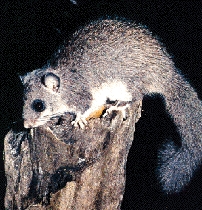
There are 21 different species of dormice. The fat dormouse is the largest dormouse in Europe. They can be found in Africa, Europe, Asia, and Japan. These rodents look like short, fat squirrels with bushy tails.
Read More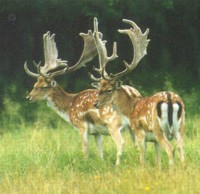
Fallow deer are one of the prettiest deer in Europe. Even mature Fallow deer look like young fawns, with dark chestnut coats covered in white spots. The bucks carry beautiful, impressive, flattened antlers.
Read More
Deep in the woods of the Northeast Asian deciduous forest roams the least weasel. Its long slender body and sharp nails help this mammal hunt day and night. The least weasel is the smallest carnivore in the world.
Read More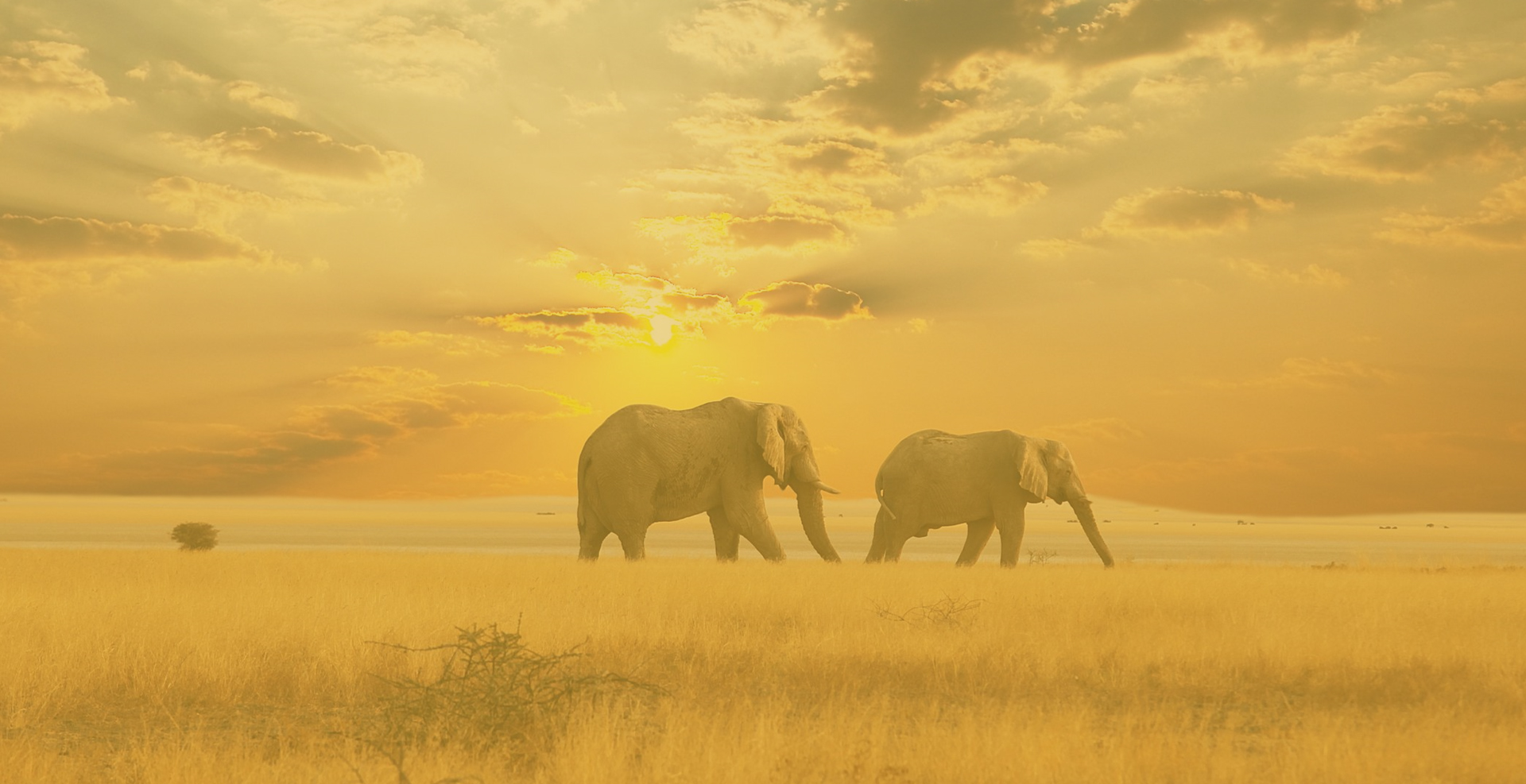
A savanna is a rolling grassland scattered with shrubs and isolated trees, which can be found between a tropical rainforest and desert biome. Not enough rain falls on a savanna to support forests. Savannas are also known as tropical grasslands.
Read More